

AEO vs SEO: What’s the Difference and Why It Matters in 2026

User behavior is shifting toward quick answers, zero-click searches, and voice interactions, forcing businesses to rethink their strategies. In 2026, it’s not enough to just rank on search engines like Google—the real competition is about being selected as the answer. This is where the debate around AEO vs SEO becomes increasingly important.
With the rise of AI platforms like ChatGPT and voice assistants such as Google Assistant and Amazon Alexa, search is becoming more conversational and instant. This shift moves beyond traditional SEO, which focuses on rankings, to AEO, which focuses on delivering the most accurate, trusted answer. Understanding AEO vs SEO helps businesses adapt to this new search behavior.
Understanding the difference between AEO vs SEO is essential to stay relevant in today’s evolving search landscape.
What is SEO?
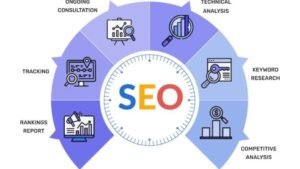
Search Engine Optimization (SEO) is the process of improving a website’s visibility on search engines like Google to attract consistent, high-quality organic traffic. It involves understanding user intent and optimizing content, technical performance, and authority so search engines can crawl, index, and trust your site. In the discussion of AEO vs SEO, SEO represents the foundation of traditional search strategies focused on rankings and traffic.
Unlike paid ads, SEO builds long-term visibility by earning rankings naturally. Today, it goes beyond keywords—focusing on content quality, user experience, mobile-friendliness, page speed, and backlinks to drive traffic and build credibility over time. When comparing AEO vs SEO, SEO remains essential for sustained growth, while AEO complements it by targeting direct answers and zero-click searches.
How SEO Works

Search engines like Google use advanced algorithms to decide which web pages appear first in search results. These algorithms analyze hundreds of ranking factors to ensure users get the most relevant, reliable, and high-quality information for their queries. Understanding how SEO works means understanding how search engines discover, evaluate, and rank content. In the context of AEO vs SEO, this process highlights how SEO focuses on improving rankings within search engine results.
At the same time, the shift toward AI-driven responses is reshaping how content is delivered. When comparing AEO vs SEO, SEO prioritizes ranking factors and visibility, while AEO focuses on structuring content to be selected as the direct answer by AI systems and voice assistants.
1. Crawling
The first step is crawling, where search engines send bots (also called spiders) to scan the internet and find new or updated web pages. These bots follow links from one page to another, collecting data about content, structure, and links. In the discussion of AEO vs SEO, crawling plays a crucial role in SEO by ensuring your content is discovered and made eligible for ranking.
If your site is well-structured and properly linked, it becomes easier for search engines to crawl all your pages efficiently. When comparing AEO vs SEO, strong crawling and site structure benefit both—SEO improves visibility in search results, while AEO ensures content is accessible and structured for AI systems to extract accurate answers.
2. Indexing
After crawling, pages are stored in a massive database called an index. During indexing, search engines analyze your content—text, images, keywords, and metadata—to understand what your page is about. In the context of AEO vs SEO, indexing is a critical step in SEO, as only properly understood and stored content can be ranked or selected for answers.
Only indexed pages can appear in search results, which is why proper optimization (like using clear headings and relevant keywords) is essential. When comparing AEO vs SEO, SEO focuses on getting pages indexed and ranked, while AEO ensures the indexed content is structured in a way that AI systems can easily interpret and deliver as direct answers.
Search engines
3.Ranking
When a user enters a query, the search engine scans its index and ranks pages based on relevance and quality. This is where SEO plays a critical role. evaluate several key factors:
Relevance
Does your content match what the user is searching for?
Using the right keywords, answering questions clearly, and aligning with user intent improves relevance.
Authority
Is your website trustworthy?
Authority is built through backlinks (links from other reputable sites), domain credibility, and high-quality content.
User Experience (UX)
Is your website easy to use?
Factors include:
- Fast loading speed
- Mobile-friendliness
- Easy navigation
- Clean design
Search engines prioritize websites that offer a smooth and helpful user experience.
4. Continuous Optimization
SEO isn’t a one-time task—it’s an ongoing process. Search algorithms constantly evolve, and competitors are always optimizing their content. To stay competitive, you need to:
- Regularly update content
- Improve site performance
- Monitor rankings and traffic
- Adapt to new trends (like voice and AI search)
Key Components of SEO
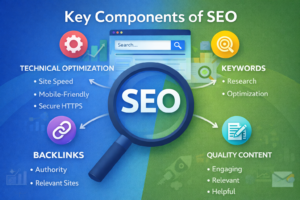
1. On-Page SEO
This involves optimizing the content and elements on your website.
Includes:
- Keyword research and placement
- High-quality, relevant content
- Title tags and meta descriptions
- Proper heading structure (H1, H2, etc.)
- Internal linking
Example: Writing a blog post that targets a keyword like “best digital marketing strategies” and naturally incorporating it into the content.
2. Off-Page SEO
This focuses on building your website’s authority outside your own site.
Includes:
- Backlinks (links from other websites)
- Social signals
- Brand mentions
The more high-quality websites link to you, the more search engines trust your content.
3. Technical SEO
This guarantees that search engines can effectively crawl and index your website.
Includes:
- Website speed optimization
- Mobile-friendliness
- XML sitemaps
- Secure connection (HTTPS)
- Fixing broken links and errors
A technically sound website improves both rankings and user experience.
4. Content SEO
Content is the core of SEO.
Focus areas:
- Answering user intent
- Creating valuable, original content
- Updating content regularly
- Using multimedia (images, videos)
Content that actually benefits users is given priority by search engines.
Types of SEO
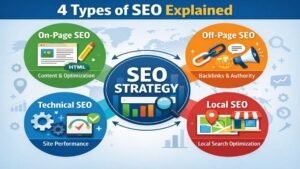
Search Engine Optimization (SEO) isn’t a single approach—it includes multiple specialized strategies tailored to different user behaviors, devices, and business goals. As search continues to evolve, especially on platforms like Google, understanding these types of SEO helps businesses target the right audience more effectively.
Local SEO
Local SEO focuses on optimizing your online presence for location-based searches such as “restaurants near me” or “best salons in Kochi.”
This type of SEO is crucial for businesses that rely on local customers, including restaurants, clinics, and retail stores. It involves:
- Optimizing your Google Business Profile
- Using location-specific keywords
- Getting customer reviews
- Ensuring consistent Name, Address, Phone (NAP) details
Local SEO helps your business appear in maps, local listings, and nearby search results, driving foot traffic and local visibility.
E-commerce SEO
E-commerce SEO is designed for online stores aiming to increase product visibility and sales. Instead of ranking blog pages, the focus is on ranking product and category pages.
Key elements include:
- Optimizing product titles and descriptions
- Using high-quality images and structured data
- Improving site navigation and user experience
- Targeting transactional keywords (e.g., “buy iPhone online”)
Effective e-commerce SEO ensures that your products stand out in a highly competitive digital marketplace.
Mobile SEO
With most users browsing on smartphones, Mobile SEO ensures that your website performs well on mobile devices.
It focuses on:
- Responsive design (adapts to all screen sizes)
- Fast loading speeds
- Easy navigation and readability
- Mobile-friendly content formatting
Search engines like Google prioritize mobile-first indexing, meaning your mobile site directly impacts your rankings.
Voice SEO (Voice Search Optimization)
Voice SEO involves optimizing content for voice-based queries made through assistants like Google Assistant and Amazon Alexa.
Voice searches are typically:
- Conversational (“What’s the best pizza place near me?”)
- Question-based
- Longer than typed queries
To optimize for voice search:
- Use natural language and question-based keywords
- Add FAQ sections
- Provide clear, concise answers
Voice SEO is becoming increasingly important as more users rely on hands-free, instant search experiences.
Why SEO is Important
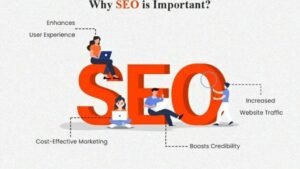
1. Increases Organic Traffic
SEO helps your website appear higher in search results, leading to more visitors without paid ads.
2. Builds Credibility and Trust
Websites that rank higher on Google are often seen as more trustworthy.
3. Improves User Experience
SEO involves optimizing speed, structure, and usability, making your site better for users
4. Cost-Effective Marketing
Unlike paid ads, SEO provides long-term results without ongoing ad spend.
Example of SEO in Action
Imagine you run a fitness blog. If someone searches:
“best exercises for weight loss”
With proper SEO:
- Your article appears on the first page
- Users click your link
- You gain traffic and potential customers
SEO in 2026 and Beyond: AEO vs SEO
In 2026 and beyond, the conversation around AEO vs SEO is reshaping how businesses approach search optimization. SEO is no longer just about inserting keywords—it’s about understanding user intent and delivering real value.
With the rise of AI tools like ChatGPT, search engines are becoming smarter, more conversational, and focused on providing direct answers rather than just listing links.
In the AEO vs SEO landscape:
- Traditional SEO focuses on ranking web pages in search results
- AEO (Answer Engine Optimization) focuses on delivering precise, instant answers
This shift means content must be:
- Intent-driven, not just keyword-driven
- Structured for clarity and quick understanding
- Optimized for both search engines and AI-powered platforms
As AI continues to evolve, businesses that adapt to both SEO and AEO strategies will have a competitive advantage—capturing not just traffic, but attention and trust.
This means:
- Content must be more helpful and human-focused
- Optimization must consider both search engines and AI systems
What is AEO?

In the evolving discussion of AEO vs SEO, Answer Engine Optimization (AEO) has emerged as a modern content strategy focused on delivering direct, precise answers through AI-powered systems.
AEO ensures that your content is selected, summarized, and presented as the most relevant response by platforms like ChatGPT, Google Assistant, and Amazon Alexa.
Unlike traditional SEO, which aims to rank webpages on search engines such as Google, AEO focuses on becoming the single, best answer to a user’s query—often delivered instantly without requiring users to click through multiple links.
As user behavior shifts toward conversational searches, voice commands, and AI-driven interactions, the importance of AEO vs SEO continues to grow. AEO plays a critical role in capturing visibility in a world dominated by zero-click searches and instant answers.
How AEO Works in the AEO vs SEO Landscape
Understanding how AEO functions is key to mastering AEO vs SEO strategies.
AEO works by aligning content with:
- How people naturally ask questions
- How AI systems interpret and process information
It emphasizes:
- Clarity and structured content
- Context and intent over simple keyword usage
- Accuracy and trustworthiness
Instead of focusing only on keywords, AEO prioritizes delivering value through concise and well-organized answers. Content should not just respond to a query—it should do so in a way that is easy for AI systems to extract and present.
In the broader AEO vs SEO comparison:
- SEO helps users find your content
- AEO ensures your content becomes the answer
Why AEO Matters More Than Ever
With AI becoming deeply integrated into search platforms, AEO vs SEO is no longer a debate of one over the other—it’s about combining both.
AEO helps businesses and content creators:
- Gain visibility in AI-generated responses
- Build authority and trust with intelligent systems
- Stay competitive in a zero-click search environment
As search continues to evolve, adopting AEO alongside SEO ensures your content is not only discoverable but also chosen.
Key Elements of AEO
1. Clear and Direct Answers
- Provide immediate answers within the first few lines
- Keep responses concise (40–60 words for best results)
- Avoid unnecessary jargon or complex explanations
2. Question-Focused Content
- Use question-based headings (e.g., “What is AEO?”)
- Include FAQ sections
- Target long-tail, conversational queries
3. Structured and Scannable Format
- Use proper heading hierarchy (H1, H2, H3)
- Break content into short paragraphs
- For clarity, use numbered lists and bullet points.
4. Use of Structured Data
- Implement schema markup (FAQ, How-To, Article)
- improves content comprehension for AI and search engines
- Improves chances of appearing in rich results
5. Focus on User Intent
- Understand the purpose behind the query
- Deliver exactly what the user is looking for
- Avoid irrelevant or filler content
6. Voice Search Optimization
- Write in natural, conversational language
- Optimize for spoken queries
- Ensure answers are easy to read aloud
7. Authority and Trustworthiness
- Provide accurate and up-to-date information
- Use credible sources and data
- Build topical authority in your niche
8. Featured Snippets Optimization
- Structure answers for snippet selection
- Use lists, tables, and definitions
- Keep answers short and precise
Conclusion
In 2026, the difference between SEO and AEO plays a critical role in how content is discovered and consumed online. Traditional SEO focuses on improving website rankings on search engines like Google to drive organic traffic, while AEO is centered on delivering clear, direct answers through AI-powered platforms such as ChatGPT, Google Assistant, and Amazon Alexa.
As user behavior shifts toward faster, more conversational search experiences, simply appearing on the first page is no longer enough. Users increasingly expect immediate, accurate answers without needing to click through multiple links. This is where AEO becomes essential—helping your content get selected, summarized, and trusted by intelligent systems.
However, SEO is still the foundation. It ensures your content is discoverable, credible, and optimized for search engines. AEO builds on this by making that content easily accessible and understandable for AI-driven responses.
Author :amal