
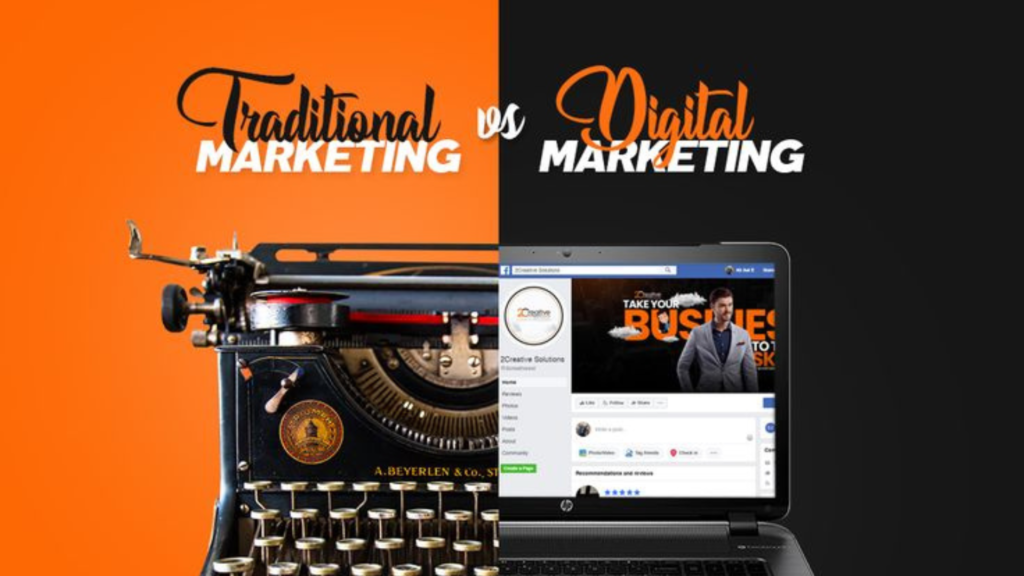
Marketing has evolved dramatically over the past few decades. Businesses today face a crucial choice: stick with traditional marketing methods or embrace the fast-paced world of digital marketing. The debate of digital marketing vs traditional marketing has become more important than ever as brands compete for attention in both offline and online spaces. While both approaches have their strengths, understanding their differences is key to building an effective and result-driven marketing strategy. Choosing the right method can directly impact your reach, engagement, and overall business growth in today’s competitive market
What is Traditional Marketing?
Traditional marketing refers to the long-established methods of promoting products and services through offline channels. These strategies were the primary means of advertising before the rise of the internet and are still widely used today, especially for mass communication and local outreach. When comparing digital marketing vs traditional marketing, traditional methods focus more on reaching broad audiences through physical and broadcast media rather than using online, data-driven platforms. Despite the growth of digital channels, traditional marketing still plays an important role in building brand awareness, especially among local audiences and offline consumers
Core Concept
Traditional marketing delivers messages to a large audience through one-way communication using media like TV, radio, newspapers, flyers, and billboards. It focuses on broad reach but offers limited interaction and tracking.
In digital marketing vs traditional marketing, the key difference is communication and measurability. Digital marketing uses online platforms like search engines, social media, email, and websites, allowing targeted reach, real-time tracking, and campaign optimization.
Types of Traditional Marketing

1. Broadcast Media
This includes advertising through television and radio.
- Television Ads: Businesses create video commercials that are aired during shows or events. These ads can reach millions of viewers at once and are highly effective for brand awareness.
- Radio Ads: Audio-based promotions broadcast on radio stations, often targeting specific local audiences.
Example: A company advertising during a major sports event to reach a national audience.
2. Print Media
Print media has been a cornerstone of traditional marketing for decades.
- Newspapers: Daily or weekly publications where businesses place ads to target local or regional audiences.
- Magazines: More niche-focused, allowing brands to target specific interests like fashion, technology, or travel.
Benefit: Print ads often feel more credible and trustworthy to readers.
3. Outdoor Advertising
Also known as out-of-home (OOH) marketing.
- Billboards: Large advertisements placed in high-traffic areas such as highways or city centers.
- Posters and Banners: Used in public places to grab attention quickly.
Advantage: High visibility and repeated exposure to commuters and pedestrians.
4. Direct Mail Marketing
This involves sending promotional materials directly to consumers.
- Flyers and Brochures: Informational materials distributed door-to-door or at events.
- Catalogs and Postcards: Used by businesses to showcase products or announce offers.
Strength: Tangible and personal, making it easier to leave a lasting impression.
Key Characteristics of Traditional Marketing

1. One-Way Communication
Digital marketing vs traditional marketing shows a major shift in how businesses connect with audiences today. Unlike traditional methods, digital marketing enables real-time communication, allowing customers to like, share, comment, and directly interact with brands through platforms like Google, social media, and email.
Another key difference is targeting. Traditional marketing uses broad channels like TV, radio, and newspapers, which often reach a general audience. In contrast, digital marketing offers precise targeting based on age, interests, location, and behavior, making campaigns more cost-effective and result-driven.
Measurability is also a big advantage in digital marketing. Businesses can track impressions, clicks, conversions, and engagement instantly, while traditional marketing results are harder to measure accurately.
Overall, digital marketing vs traditional marketing highlights the evolution from one-way communication to interactive, data-driven strategies that help businesses grow faster and smarter in today’s digital world.
2. Broad Targeting
Traditional marketing focuses on reaching a wide audience through channels like TV, radio, newspapers, and billboards, rather than targeting specific groups. It is mainly used for broad brand awareness.
In the comparison of digital marketing vs traditional marketing, digital marketing stands out for its precise targeting using data such as age, location, interests, and behavior, making campaigns more personalized and measurable.
3. Physical Presence
radio to reach a wide audience. These methods are mostly one-way communication, making them harder to track and measure.
In contrast, digital marketing vs traditional marketing highlights a modern shift toward online platforms such as search engines, social media, websites, and email. Digital marketing is more targeted, cost-effective, and allows real-time performance tracking and quick adjustments.
4. Limited Analytics
Advantages of Traditional Marketing
- Wide Reach: Ideal for reaching large and diverse audiences
- High Credibility: Trusted by older demographics and rural audiences
- Strong Brand Recall: Repetition through TV or billboards builds memory
- Less Technical Knowledge Required: Easier to understand and implement
Limitations of Traditional Marketing
- High Cost: TV ads, print media, and billboards can be expensive
- Difficult to Measure ROI: No precise tracking tools
- Low Engagement: No real-time interaction with customers
- Limited Targeting: Hard to personalize messages
When is Traditional Marketing Most Effective?
Traditional marketing works best in situations such as:
- Promoting local businesses (restaurants, shops, services)
- Targeting older or less tech-savvy audiences
- Building brand awareness on a large scale
- Advertising during major events (sports, festivals)
What is Digital Marketing?
Digital marketing involves leveraging online platforms, digital technologies, and internet-based tools to advertise and promote products and services effectively. If you want, I can help expand on this or provide examples and strategies related to digital marketing. It has become one of the most powerful and widely used marketing methods in the modern business world due to the increasing use of smartphones, computers, and the internet. When analyzing digital marketing vs traditional marketing, digital marketing stands out for its ability to reach targeted audiences with precision and deliver measurable results in real time.
Unlike traditional marketing, digital marketing enables two-way communication, allowing businesses to interact directly with their audience in real time. This interaction helps build relationships, improve customer experience, and increase brand loyalty. In the comparison of digital marketing vs traditional marketing, this interactive and data-driven approach gives digital platforms a strong advantage, making them highly effective for modern businesses aiming for faster growth and better engagement.
Core Concept of Digital Marketing
At its core, digital marketing is about reaching the right audience at the right time through the right digital channels. It focuses on data-driven strategies, personalized messaging, and measurable performance. When comparing digital marketing vs traditional marketing, digital marketing stands out because it allows businesses to use real-time data and insights to make smarter decisions and improve campaign results.
Businesses can not only promote their offerings but also track user behavior, analyze performance, and continuously improve their campaigns. Unlike traditional marketing, which is often one-way and harder to measure, digital marketing provides interactive engagement and precise targeting, making it more flexible and results-oriented in today’s competitive environment.
Major Channels of Digital Marketing
1. Social Media Marketing
This involves promoting products or services through modern online platforms compared to conventional offline methods.
Digital marketing vs traditional marketing is an important comparison for businesses deciding how to reach their audience effectively. Digital marketing uses online channels like Facebook, Instagram, LinkedIn, Google Ads, email marketing, and websites to connect with potential customers in real time.
This involves promoting products or services on platforms like Facebook, Instagram, LinkedIn, and Twitter.
- Businesses share posts, stories, reels, and paid advertisements
- Engage with users through comments, messages, likes, and shares
- Build strong brand awareness, trust, and long-term customer relationships
- Track performance using analytics and improve campaigns instantly
For example, a clothing brand running Instagram ads, collaborating with influencers, and using targeted Facebook campaigns to reach specific audiences is a clear case of digital marketing in action.
In contrast, traditional marketing uses offline channels such as newspapers, television, radio, flyers, and billboards. While it still has impact, it lacks the real-time interaction and precise targeting that digital marketing offers.
Overall, the comparison of digital marketing vs traditional marketing helps businesses choose the right strategy based on budget, audience, and goals.
2. Search Engine Marketing (SEO & SEM)
- SEO (Search Engine Optimization): Optimizing a website to rank higher in organic (free) search results
- SEM (Search Engine Marketing): Paid advertising on search engines (e.g., Google Ads)
Benefit: Helps businesses appear when users actively search for related products or services.
3. Content Marketing (Websites & Blogs)
Creating valuable content to attract and engage users.
- Blog posts, articles, guides
- Videos and infographics
- Website landing pages
Goal: Educate, inform, and convert visitors into customers.
4. Email Marketing
Sending targeted emails to a group of subscribers.
- Newsletters
- Promotional offers
- Product updates
Strength: Direct communication with customers, often with high return on investment.
5. Online Advertising
Paid promotions across digital platforms.
- Google Ads (search, display, YouTube)
- Social media ads (Facebook Ads, Instagram Ads)
- Banner and display advertising
Advantage: Highly targeted and scalable.
Key Characteristics of Digital Marketing
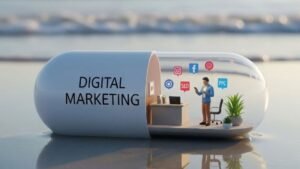
1. Two-Way Communication
Customers can interact with brands instantly through comments, messages, and feedback.
2. Precise Targeting
Businesses can target audiences based on age, location, interests, behavior, and more.
3. Real-Time Results
Campaign performance can be monitored instantly using analytics tools.
4. Global Reach
Digital marketing allows businesses to reach audiences worldwide without geographical limitations.
Advantages of Digital Marketing
1. Cost-Effective
Compared to traditional marketing, digital campaigns can be run with smaller budgets while still achieving strong results.
2. Targeted Advertising
Businesses can reach highly specific audiences, improving the chances of conversion.
3. Measurable Results
Metrics such as clicks, impressions, conversions, and engagement can be tracked in real time.
4. High Engagement
Direct interaction through social media, emails, and live chats increases customer involvement and trust.
5. Flexibility and Scalability
Campaigns can be adjusted quickly based on performance and scaled as needed.
Limitations of Digital Marketing
1. High Competition
Many businesses compete for attention online, making it harder to stand out.
2. Requires Technical Skills
Successful campaigns require knowledge of tools, analytics, SEO, and content creation.
3. Constantly Changing Trends
Algorithms, user behavior, and platform rules change frequently, requiring continuous learning.
4. Dependence on Technology
Digital marketing relies heavily on internet access, devices, and platforms.
When is Digital Marketing Most Effective?

Digital marketing works best when:
- Targeting tech-savvy or younger audiences
- Running campaigns with limited budgets
- Needing measurable and fast results
- Expanding to a global market
- Building long-term customer relationships
Which One Should You Choose?
Choosing between traditional marketing and digital marketing is not a one-size-fits-all decision. The right approach depends on several key factors, including your business goals, target audience, budget, and the nature of your products or services. When analyzing digital marketing vs traditional marketing, it becomes clear that each approach serves different purposes and delivers results in different ways. Traditional marketing is often stronger for broad awareness and offline reach, while digital marketing excels in precision targeting, engagement, and measurable performance.
1. Consider Your Business Goals
Your marketing strategy should always align with what you want to achieve. Whether your goal is brand awareness, lead generation, or boosting sales, choosing the right approach is crucial. When comparing digital marketing vs traditional marketing, it becomes clear that both have unique strengths and limitations.
Traditional marketing includes offline channels such as TV, radio, newspapers, brochures, and billboards. It is often effective for building strong local brand recognition and reaching audiences who are less active online. However, it can be costly and harder to measure in terms of exact performance and ROI.
On the other hand, digital marketing uses online platforms like search engines, social media, email, and websites. It allows businesses to target specific audiences, track real-time performance, and optimize campaigns quickly. This makes it highly effective for lead generation, engagement, and driving conversions at a lower cost compared to many traditional methods.
Choose Traditional Marketing if:
- Your goal is brand awareness on a large scale
- You want to create a strong offline presence
- You are launching a product that needs mass visibility quickly
Example: A new retail store using billboards and newspaper ads to attract local customers.
Choose Digital Marketing if:
- Your goal is lead generation or sales conversions
- You want measurable results and performance tracking
- You aim to build long-term relationships with customers
Example: An online business running targeted ads to generate website traffic and sales.
2. Understand Your Target Audience
Knowing your audience is critical when choosing the right marketing method. If your customers are primarily online, mobile-savvy, and active on social media, then digital marketing vs traditional marketing becomes an important comparison to guide your strategy. Digital marketing helps you reach a highly targeted audience through channels like search engines, social media, email, and websites, allowing real-time engagement and measurable results.
On the other hand, traditional marketing works best when your audience prefers offline touchpoints such as newspapers, television, radio, and print ads. It builds broad brand awareness but offers limited targeting and tracking compared to digital methods. By understanding where your audience spends their time and how they consume information, you can decide whether to prioritize digital marketing vs traditional marketing or combine both for a balanced and effective marketing strategy.
Traditional Marketing Works Best When:
- Your audience is older or less familiar with technology
- You are targeting local communities or rural areas
- Your customers rely on TV, radio, or print media
Digital Marketing Works Best When:
- Your audience is young, tech-savvy, and active online
- You want to target specific groups based on interests or behavior
- Your customers spend time on social media, search engines, or websites
3. Evaluate Your Budget
Traditional Marketing:
- Requires higher upfront investment
- Costs include TV ads, print media, and outdoor advertising
- Suitable for businesses with larger marketing budgets
Digital Marketing:
- Offers flexible budgeting options
- You can start small and scale campaigns gradually
- Ideal for small businesses and startups
4. Analyze Measurability and Flexibility
Traditional Marketing:
- Difficult to measure exact results
- Campaigns cannot be easily changed once launched
Digital Marketing:
- Provides real-time analytics (clicks, conversions, engagement)
- Campaigns can be adjusted instantly for better performance
5. Industry and Business Type Matters
- Local businesses (restaurants, salons, retail shops) can benefit from both flyer distribution and local social media ads
- E-commerce businesses should focus heavily on digital marketing
- Large brands often use traditional marketing for awareness and digital for engagement
The Smart Approach: Combine Both (Integrated Marketing)
Why Integration Works
- Maximizes reach (offline + online audiences)
- Reinforces your message across multiple platforms
- Builds trust (traditional) and engagement (digital)
How to Combine Traditional and Digital Marketing
1. Use Traditional Marketing for Awareness
- Billboards in high-traffic areas
- Newspaper ads for local promotions
- Radio or TV ads for mass reach
2. Use Digital Marketing for Engagement and Conversion
- Social media campaigns to interact with customers
- Google Ads to capture search intent
- Email marketing to nurture leads
Real-World Example of Integration
Imagine a new product launch:
- A company puts up billboards and runs TV ads to create awareness
- At the same time, it runs social media ads and directs users to a website
- Interested customers visit the site, sign up, and receive email offers
This creates a seamless journey from awareness → interest → conversion.
Conclusion
In conclusion, both digital marketing vs traditional marketing have their own strengths and limitations. Traditional marketing is effective for reaching a wide audience and building strong brand awareness, especially in local markets. On the other hand, digital marketing offers better targeting, real-time results, and higher engagement with customers.
Choosing the right approach in digital marketing vs traditional marketing depends on your business goals, target audience, and budget. However, in today’s competitive environment, relying on just one method may not be enough.
The best strategy is to combine both traditional and digital marketing. This integrated approach helps businesses reach more people, build trust, and improve conversions. By using the strengths of each method, businesses can create a balanced and effective marketing strategy for long-term success in the evolving landscape of digital marketing vs traditional marketing.
Author :amal